

A 600-Year-Old French Secret — Now in Your Bathroom
If you've ever wondered why French women seem to have such effortlessly healthy skin, part of the answer may be surprisingly simple: Savon de Marseille. This legendary soap has been made in the south of France for over six centuries, and for good reason. In an era of ingredient lists filled with sulfates, parabens, and synthetic fragrances, Savon de Marseille stands apart as one of the purest, most natural soaps in the world.
But what exactly is Savon de Marseille? And why are more and more Americans making the switch? This complete guide covers everything you need to know.
The Origins: Marseille, France, 14th Century
Savon de Marseille traces its roots to the port city of Marseille in southern France. The region's abundance of olive oil — a key ingredient — made it the perfect birthplace for a revolutionary soap. By the late 17th century, King Louis XIV himself issued the Edict of Colbert (1688), setting strict rules for how the soap could be produced. Only soaps made in the Marseille region, following the traditional kettle-boiling process, could bear the name.
The result? A soap so pure and effective it became a household staple across France — and eventually the world.

What Makes Savon de Marseille Different from Regular Soap?
Walk down any drugstore aisle and you'll find hundreds of soaps. So what sets Savon de Marseille apart?
- No synthetic additives — No parabens, no sulfates, no artificial colors or fragrances.
- Minimum 72% vegetable or olive oil — By law and tradition, authentic Savon de Marseille must contain at least 72% fatty acid from olive or vegetable oil. This is stamped directly on the soap. Other less qualitative soaps would be made with less than 72%. Ours today contains more than 80% 👌🏻
- Biodegradable — It breaks down completely in nature, making it safe for your skin and the environment.
- pH-balanced — Its natural alkalinity is gentle enough for daily use on sensitive skin, including babies.
- Multi-purpose — One bar can clean your hands, face, body, laundry, and household surfaces.
Regular commercial soaps, by contrast, are often detergents — synthetic formulations that strip your skin's natural oils and leave residue. Savon de Marseille gently cleanses without disrupting your skin barrier.
How Savon de Marseille is Made: The Traditional Process
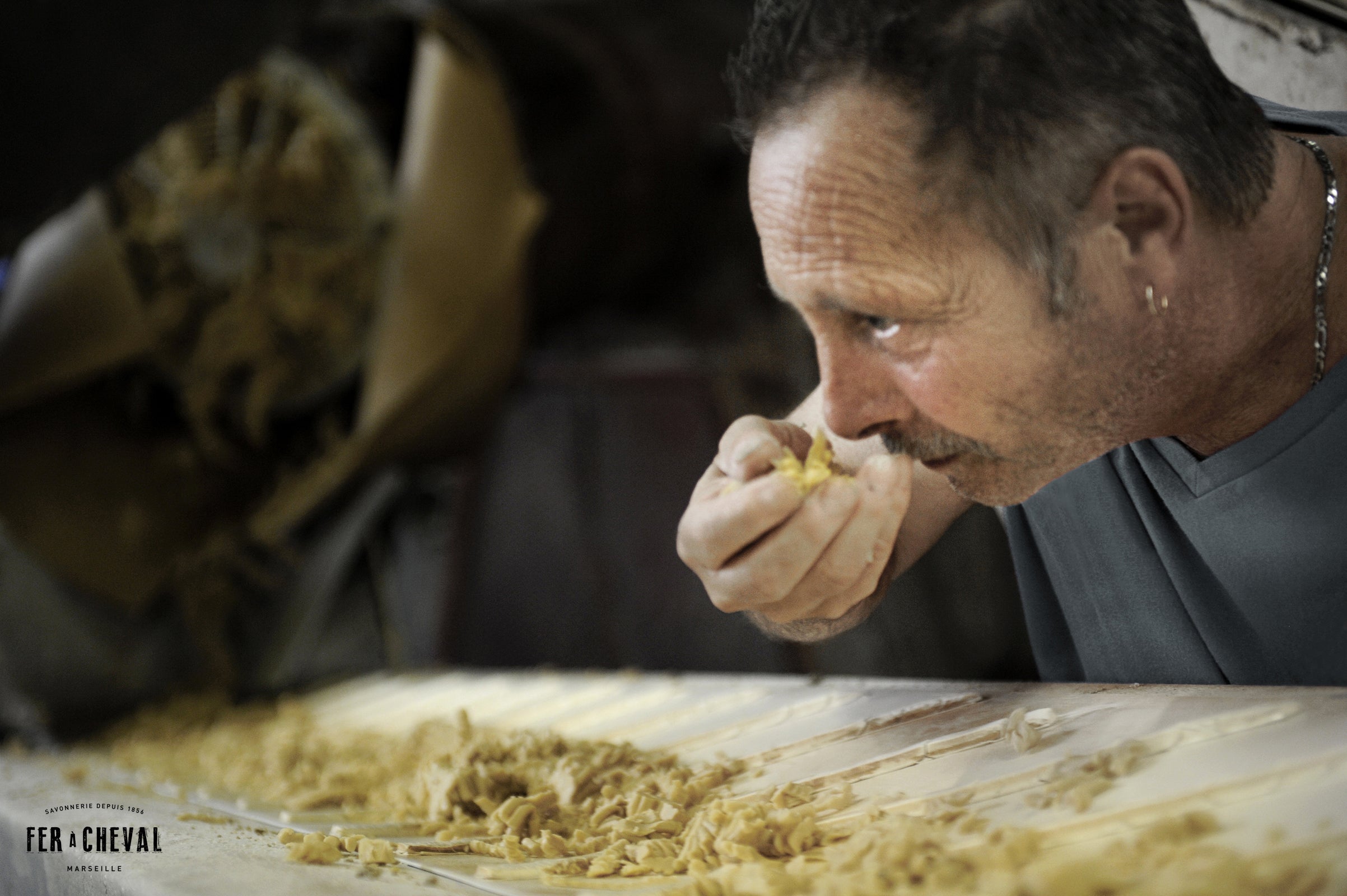
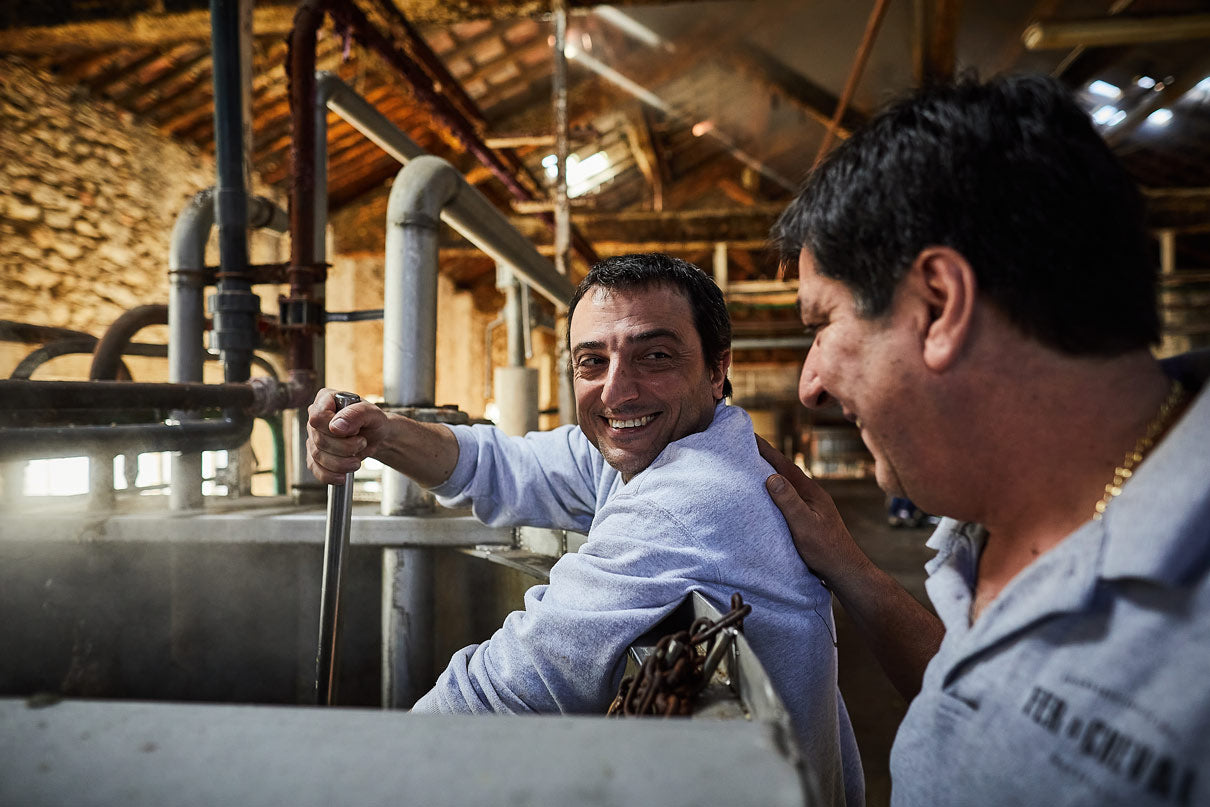
Authentic Savon de Marseille is made using a centuries-old method called the Marseille Process (or "cuisson au chaudron" — kettle cooking). At the Fer à Cheval savonnerie in Marseille, this process has remained essentially unchanged since the 19th century:
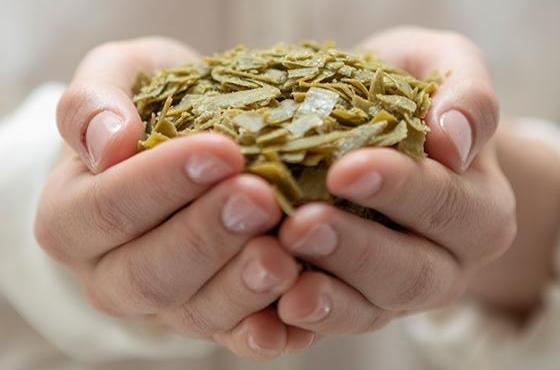
- Saponification — Olive oil is combined with sea water and natural soda ash in large kettles and heated for several days.
- Rinsing — The soap is rinsed multiple times with Mediterranean sea water to remove all impurities.
- Drying — The liquid soap is poured into large molds and allowed to dry naturally for several weeks.
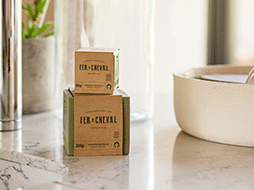
- Cutting and stamping — Once hardened, the soap is cut into cubes and stamped with its oil content and origin.
This process takes weeks — compared to hours for industrial soap — which is why authentic Savon de Marseille is denser, longer-lasting, and far more effective than mass-produced alternatives.

How to Recognize Authentic Savon de Marseille
With the growing popularity of Savon de Marseille worldwide, imitations have flooded the market. Here's how to spot the real thing:
- ✅ "72% Huile Pure" stamped on the cube
- ✅ Made in Marseille, France — check the label
- ✅ Short ingredient list — olive or vegetable oil, water, sea salt, soda ash. Nothing else.
- ✅ Earthy, subtle scent — real Savon de Marseille has no added fragrance
- ❌ Avoid anything with synthetic fragrances, colorants, or parabens, even if it says "Marseille" on the label
At Fer à Cheval, our soap has been made at the same Marseille factory since 1856. Every cube carries the traditional stamp — your guarantee of authenticity. Browse our full range of Authentic Marseille Soap.
Olive Oil vs. Vegetable Oil: Which to Choose?
Authentic Savon de Marseille comes in two classic varieties:
| Pure Olive Oil | Vegetable Oil |
|---|---|
| Rich, deeply moisturizing | Lighter, great for all skin types |
| Best for dry or sensitive skin | Excellent for household use |
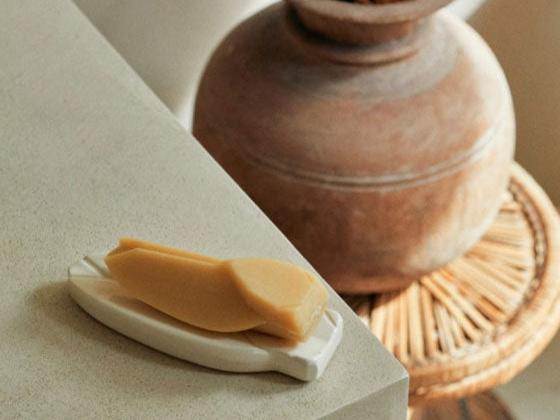
| Classic green color | White or ivory color |
| Longer-lasting bar | More affordable |
Both are equally authentic — the choice comes down to your skin type and intended use. Shop our Pure Olive Cube Savon de Marseille or our Original Savon de Marseille Cube Soap Vegetable Oil-Based to find your match.
Why Americans Are Choosing Savon de Marseille
In recent years, interest in Savon de Marseille has surged in the United States. Why?
- The clean beauty movement — Americans are increasingly scrutinizing ingredient lists, and Savon de Marseille's simplicity is a major draw.
- Sustainability — One bar replaces multiple plastic bottles of liquid soap, shampoo, and cleaning products.
- Skin health — Dermatologists and eczema sufferers have long recommended it for its gentle, non-irritating formula.
- Authenticity — In a market flooded with "natural" claims, the centuries-old tradition offers genuine credibility.

Ready to Try Authentic Savon de Marseille?
Fer à Cheval has been crafting authentic Savon de Marseille in our historic Marseille factory since 1856. Every bar follows the traditional kettle process, carries the 72% stamp, and contains only the most essential natural ingredients. In reality our contains over 80% soap content before drying.
Whether you prefer the richness of olive oil or the versatility of vegetable oil, we have the right bar for you:
- Pure Olive Cube Savon de Marseille — ideal for dry and sensitive skin
- Original Savon de Marseille Cube Soap Vegetable Oil-Based — great for the whole family
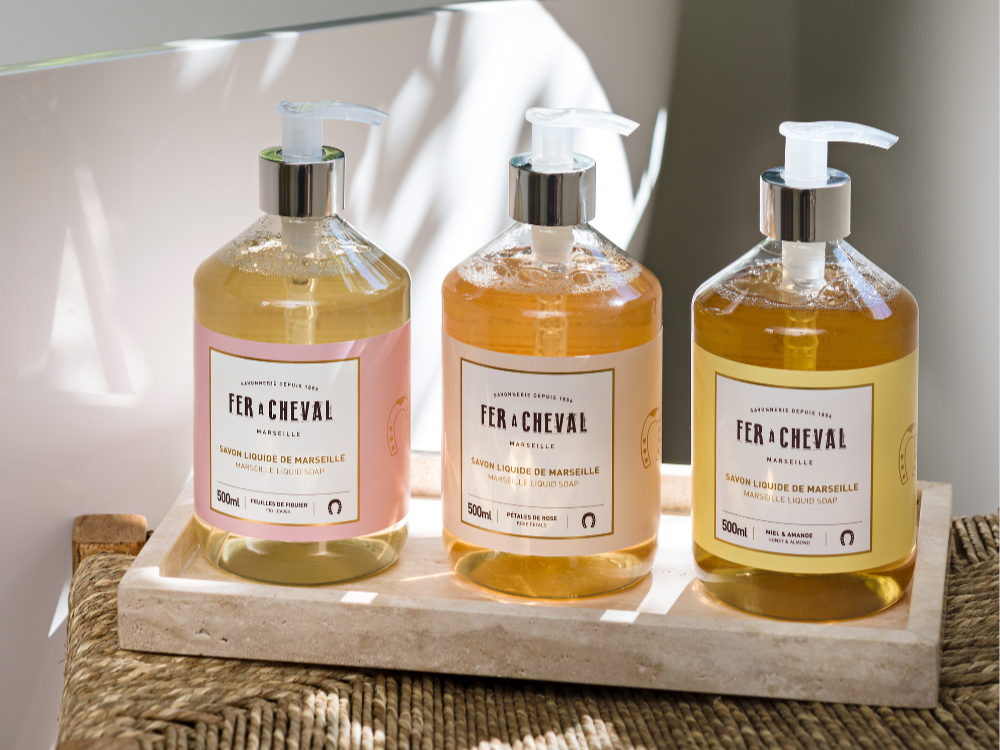
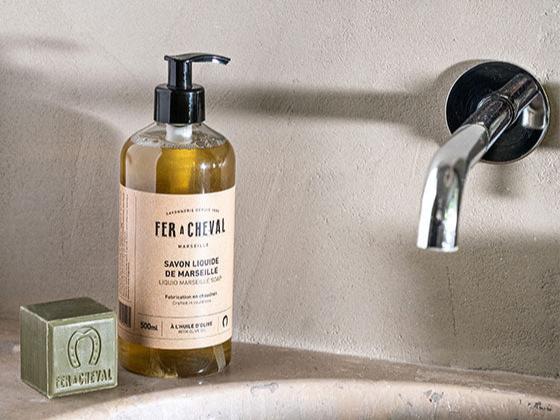
- Olive Oil Marseille Liquid Soap — the same tradition, in liquid form
